
Norway Bans AI in Primary Education: A New Frontier for Tech Regulation
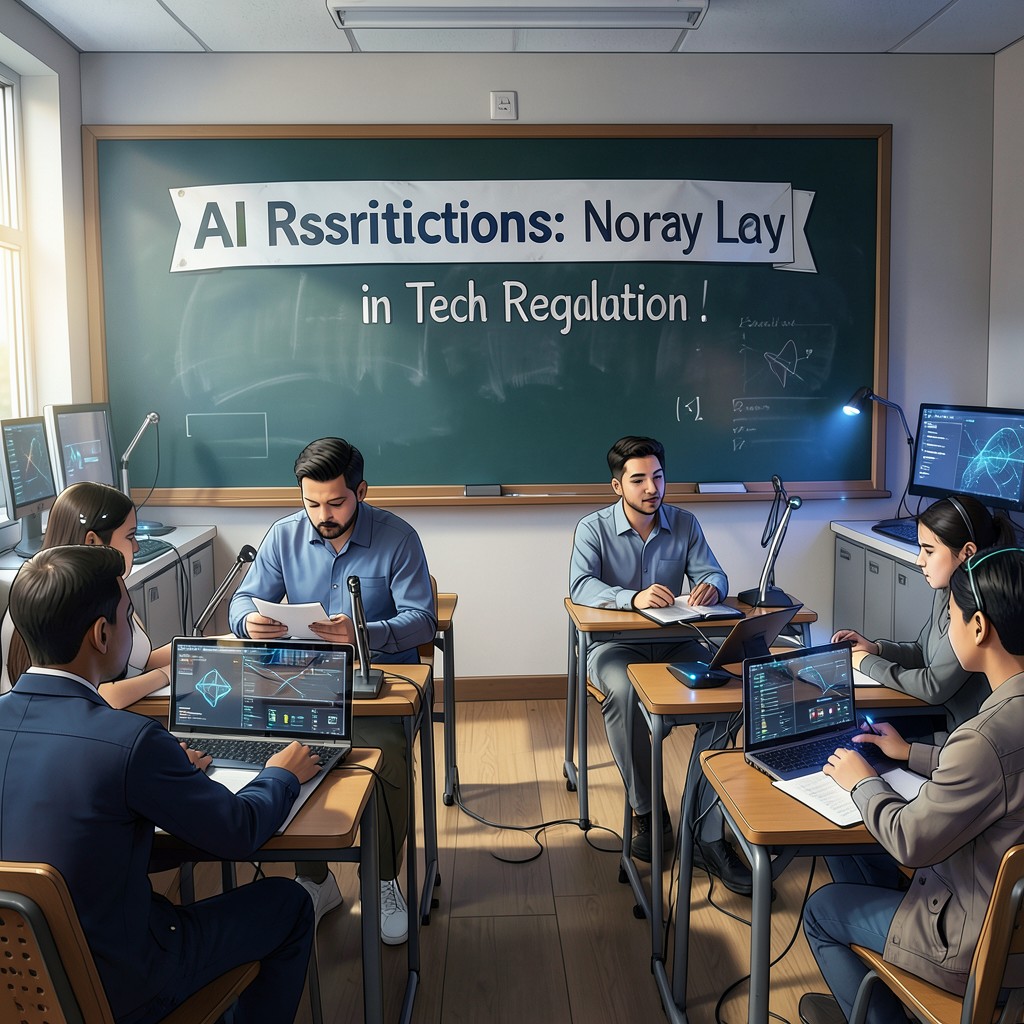
In a groundbreaking move, Norway has implemented strict regulations prohibiting the use of artificial intelligence (AI) in primary education. This decision aims to safeguard children's privacy and curb potential ethical concerns associated with AI integration early on.
Why the Ban?
- Privacy Concerns: Norway is prioritizing child data protection by preventing AI systems from collecting personal information during primary education.
- Ethical Dilemmas: The government seeks to address unresolved ethical questions related to children's cognitive development influenced by AI algorithms.
Implications of the Ban
The ban has sparked discussions on balancing educational innovation with regulatory caution. Critics argue that this may hinder advancements in personalized learning, while supporters emphasize the need for safeguarding young minds.
Global Perspective
Norway's move reflects a broader global debate surrounding AI's role in education. Countries are grappling with regulations to ensure responsible use of AI, especially when targeting younger demographics.
Call to Action
As AI continues to reshape various sectors, including education, it’s crucial for stakeholders—educators, policymakers, and tech companies—to engage in open dialogues. Understanding these nuances will help shape a future where technology and education harmoniously coexist.
 Nederlands
 العربية
 Français
 Español
 Português
 Deutsch
 Türkçe
Nederlands
Türkçe
Nederlands
 Italiano
 Русский
 Română
 Português (Brasil)
 Ελληνικά
 简体中文
繁體中文
日本語
한국어
हिन्दी
Tiếng Việt
Polski
Svenska
Українська
עברית
ไทย
Bahasa Indonesia
বাংলা
اردو
فارسی
தமிழ்
Dansk
Suomi
Norsk
Čeština
Magyar
Български
Slovenčina
Slovenščina
Lietuvių
Latviešu
Eesti
Hrvatski
Srpski
Bahasa Melayu
简体中文
繁體中文
日本語
한국어
हिन्दी
Tiếng Việt
Polski
Svenska
Українська
עברית
ไทย
Bahasa Indonesia
বাংলা
اردو
فارسی
தமிழ்
Dansk
Suomi
Norsk
Čeština
Magyar
Български
Slovenčina
Slovenščina
Lietuvių
Latviešu
Eesti
Hrvatski
Srpski
Bahasa Melayu