
Norway Bans AI in Primary Education: Implications and Debate
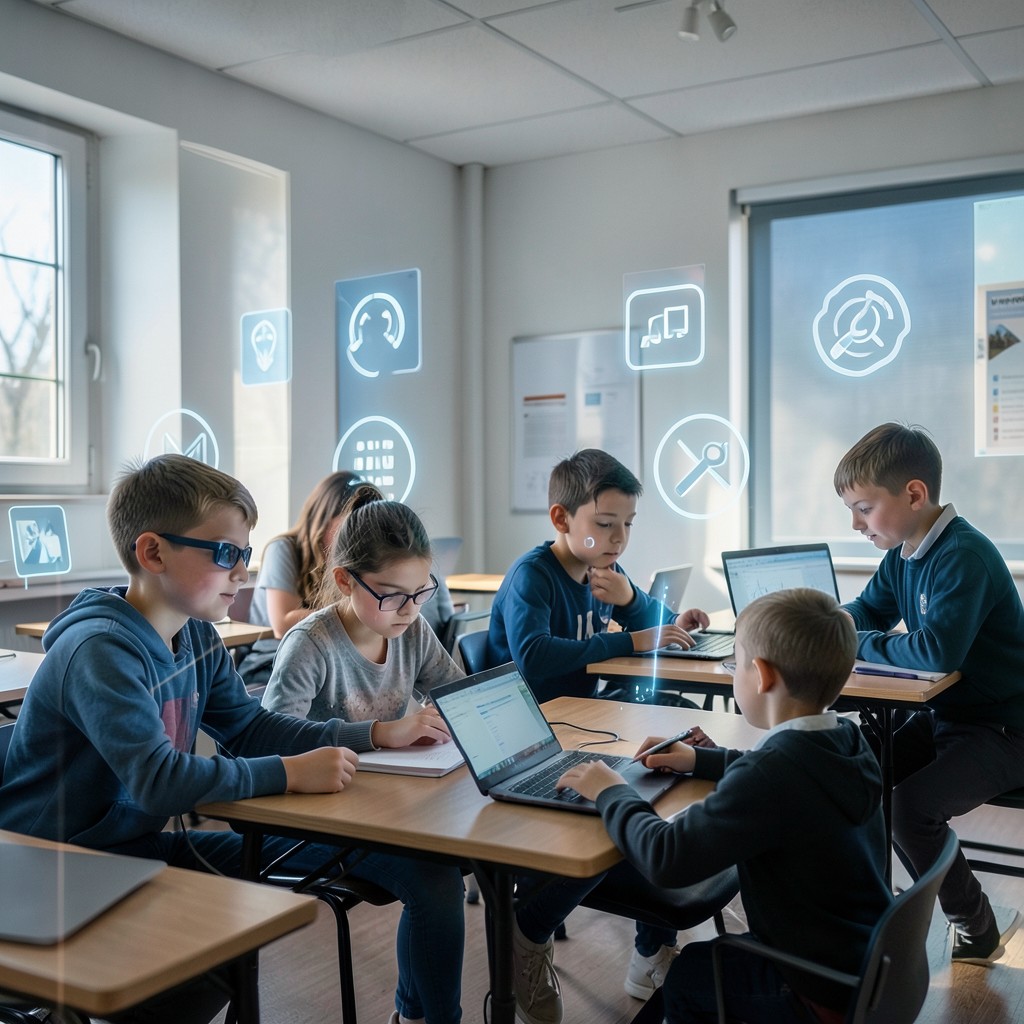
In a groundbreaking move, Norway has announced an outright ban on the use of artificial intelligence (AI) in primary education. This decision has sparked significant debate among educators, policymakers, and AI experts worldwide. Let's delve into the implications of this regulation and explore the broader context surrounding AI adoption in education.
Implications of Norway’s BanThe ban primarily affects educational tools and platforms that leverage AI for personalized learning experiences, content creation, or assessment. This move could lead to a more traditional teaching environment, focusing on standardized curricula and teacher-centered instruction. It also raises questions about the future of adaptive learning technologies, which are increasingly being adopted globally.
Educational Philosophies ClashNorway's decision underscores a fundamental debate between educational philosophies: traditional methods versus technological innovations. Supporters of the ban argue that AI might undermine students' critical thinking and creativity, favoring passive learning experiences over active engagement. Conversely, critics contend that AI can enhance personalized learning, cater to diverse learning styles, and provide teachers with data-driven insights for more effective pedagogy.
Impact on Global TrendsThe impact of Norway's ban extends beyond its borders. Many countries are exploring or have already integrated AI into their educational systems, often citing enhanced learning outcomes and accessibility. This move by Norway could influence other nations to reconsider or strengthen their own AI policies in education, potentially leading to a global shift toward more conservative approaches.
Call for Thorough EvaluationAs the dust settles on this controversial decision, it's crucial to conduct thorough evaluations of AI's role in education. Such assessments should consider both its potential benefits (e.g., personalized learning, enhanced accessibility) and concerns regarding over-reliance on technology, privacy issues, and the quality of educational content.
Conclusion: Balancing Innovation and TraditionIn conclusion, Norway's ban on AI in primary education presents a significant challenge to ongoing technological integration in learning environments. This situation not only highlights the complexities of balancing innovation with traditional educational methods but also prompts essential discussions about the role of technology in shaping future generations' learning experiences. As we move forward, it’s vital for policymakers and stakeholders to engage in comprehensive evaluations and consider multi-faceted strategies that respect both technological advancements and pedagogical principles.
Impact on Global TrendsThe impact of Norway's ban extends beyond its borders. Many countries are exploring or have already integrated AI into their educational systems, often citing enhanced learning outcomes and accessibility. This move by Norway could influence other nations to reconsider or strengthen their own AI policies in education, potentially leading to a global shift toward more conservative approaches.
Call for Thorough EvaluationAs the dust settles on this controversial decision, it's crucial to conduct thorough evaluations of AI's role in education. Such assessments should consider both its potential benefits (e.g., personalized learning, enhanced accessibility) and concerns regarding over-reliance on technology, privacy issues, and the quality of educational content.
Conclusion: Balancing Innovation and TraditionIn conclusion, Norway's ban on AI in primary education presents a significant challenge to ongoing technological integration in learning environments. This situation not only highlights the complexities of balancing innovation with traditional educational methods but also prompts essential discussions about the role of technology in shaping future generations' learning experiences. As we move forward, it’s vital for policymakers and stakeholders to engage in comprehensive evaluations and consider multi-faceted strategies that respect both technological advancements and pedagogical principles.
Conclusion: Balancing Innovation and TraditionIn conclusion, Norway's ban on AI in primary education presents a significant challenge to ongoing technological integration in learning environments. This situation not only highlights the complexities of balancing innovation with traditional educational methods but also prompts essential discussions about the role of technology in shaping future generations' learning experiences. As we move forward, it’s vital for policymakers and stakeholders to engage in comprehensive evaluations and consider multi-faceted strategies that respect both technological advancements and pedagogical principles.
Join the conversation: How do you view the role of AI in education, especially at primary levels? Share your thoughts below!